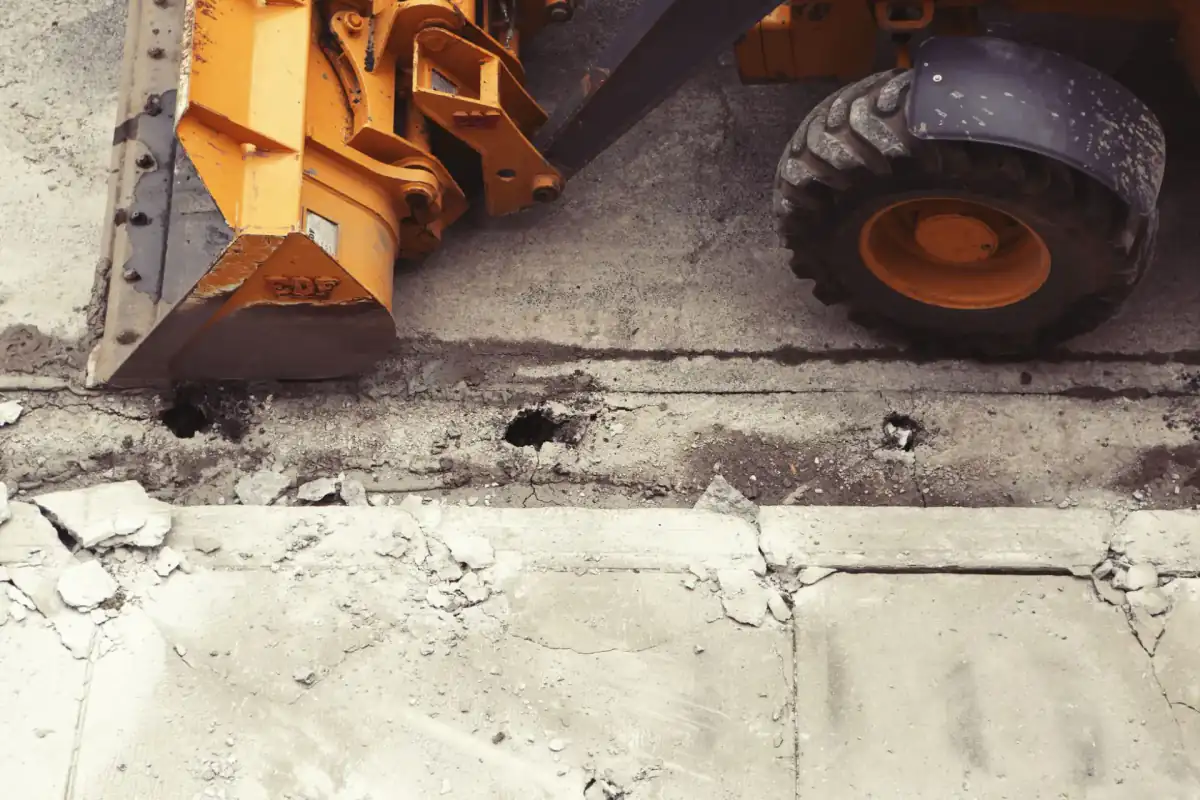
Concrete Removal in Madison, WI — Residential & Commercial Demolition & Replacement Specialists
Tear-out and haul-away of driveways, patios, sidewalks and slabs across Dane, Rock, Columbia and Jefferson Counties, with replacement pours where that is the plan.
Concrete Removal & Replacement in Madison, WI
Madison Elite Concrete is your local resource for concrete removal and replacement throughout Madison, Dane County and the surrounding area. We help homeowners and property owners connect with experienced local flatwork crews who look at what is under a slab before pouring the next one.
Concrete removal is the part of a project where the useful information is. A slab that failed did so for a reason, and until the concrete is out, that reason is a theory. Removal turns it into something visible: a utility trench backfilled loose, a void where a downspout has been discharging under the slab for a decade, organics that were never stripped, a tree root, or ground that simply holds water and freezes. A slab that failed twice on the same ground usually failed because of what is under it, not what was on top.
That is why removal and replacement belong in the same conversation. Taking out concrete is straightforward work — break, load, haul, dispose. What it costs depends on volume, thickness, reinforcement and how easily a machine can reach it, and those are knowable in advance. What decides whether the replacement lasts is the twenty minutes after the last piece is loaded, when someone looks at the subgrade and decides whether the plan still holds. Removal alone is a legitimate scope too: clearing a slab to put in a garden, opening ground for a landscaping project, or taking out a patio nobody uses and returning the area to lawn.
What’s Included in a Madison Concrete Removal & Replacement Quote
- Assessment of thickness, reinforcement and likely volume, since all three drive the cost of removal
- Confirmation of access — what equipment can reach the slab and what has to be protected on the way in
- Utility locate before any breaking or excavation begins
- Saw-cutting to clean, straight boundaries where only part of a slab is being removed
- Breaking and removal of the concrete, including reinforcement where present
- Haul-away and disposal, with concrete taken for recycling where a facility is available
- Inspection of the exposed subgrade, reported back with what it explains about the original failure
- Protection of lawn, landscaping, walks and adjacent surfaces along the equipment route
- Grading of the exposed area where removal is the whole scope and no replacement follows
- Subgrade correction, compaction in lifts and base placement where a replacement pour is part of the job
- Site cleanup, including the fragments and dust that removal work spreads further than people expect
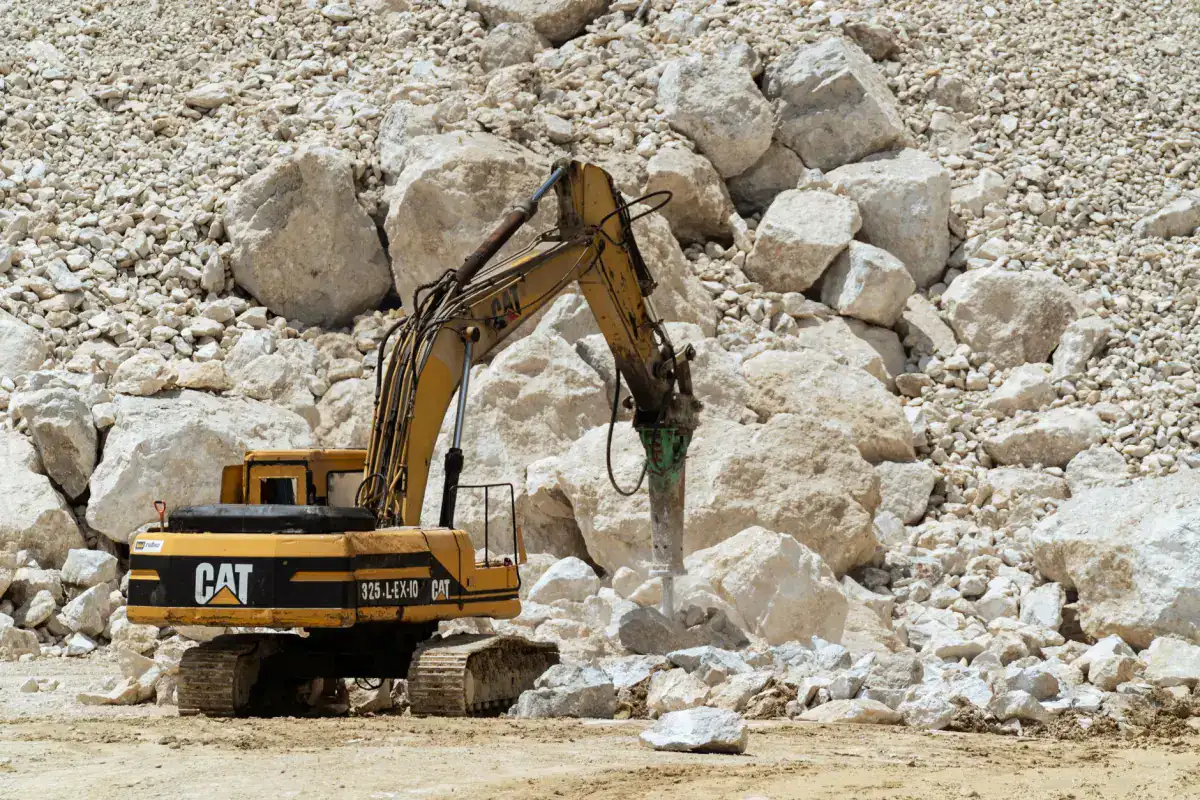
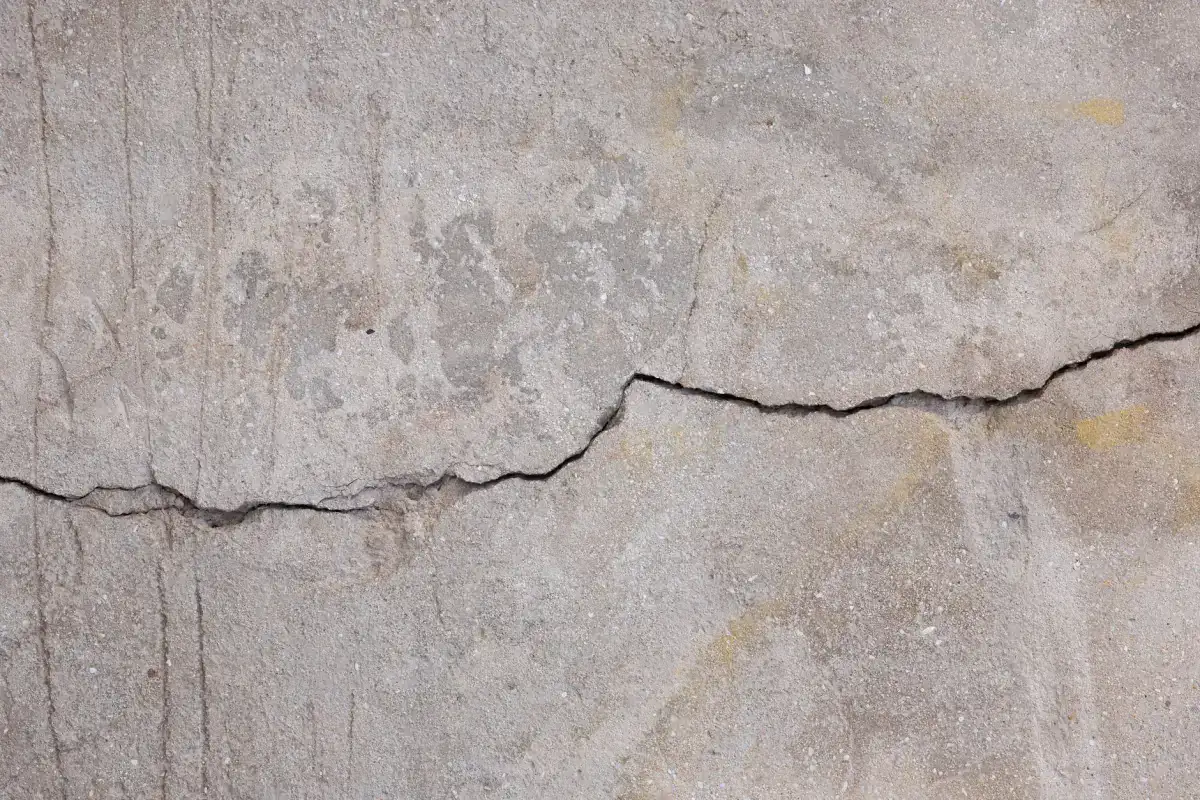
Concrete Removal & Replacement in Madison, WI
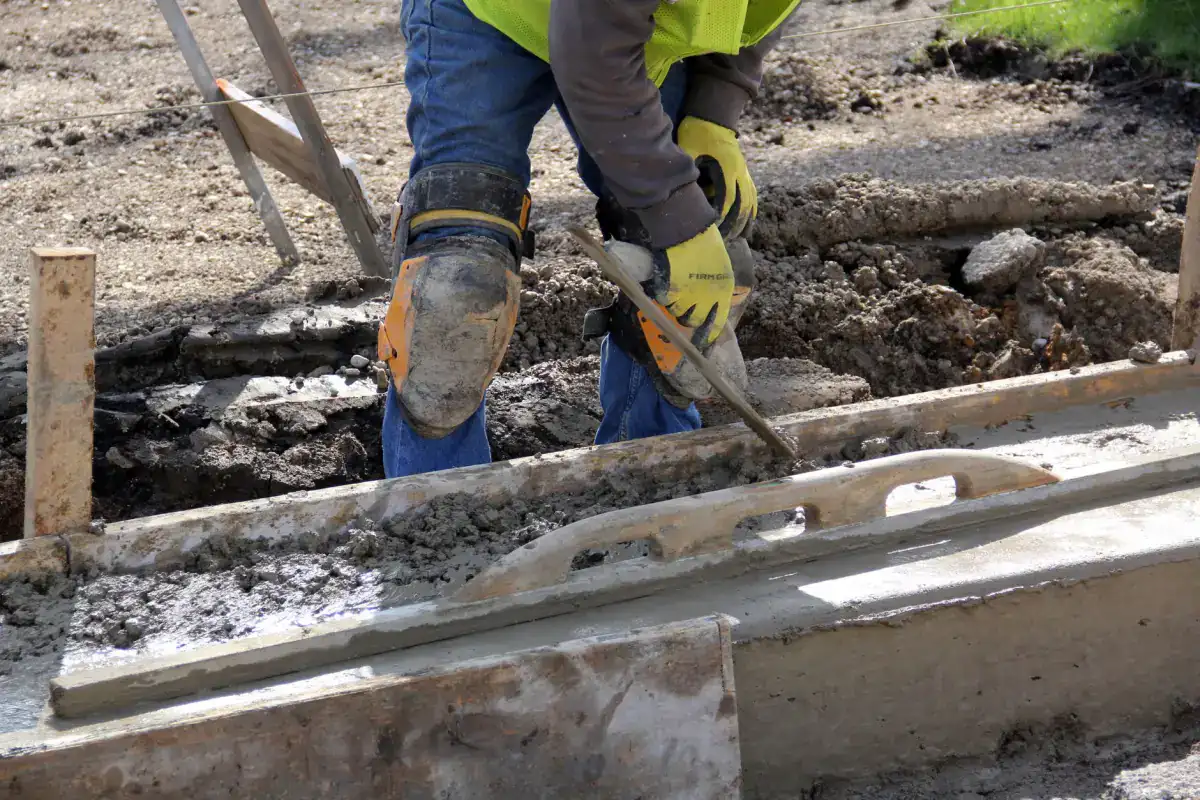
Driveway Removal & Replacement
The largest removal job on most residential properties, and generally the most accessible, since a driveway is where the equipment can already reach. Thickness and reinforcement drive the cost: a four-inch unreinforced drive breaks up and loads quickly, while a six-inch slab with rebar through it is slower work and produces more material to haul. The apron and the section in the right-of-way need identifying before anything starts, because work there is governed by the City of Madison rather than by you, and contractors performing right-of-way work must be prequalified with the city. Removal is also where a long-running driveway problem finally explains itself — the soft spot, the trench, the tree root — and that finding should change the base specification for the replacement rather than being noted and ignored.
Patio Concrete Removal
Backyard patios are usually the hardest removal on a property to price, because access rather than volume governs. If a machine can reach the slab, removal is quick. If the only route to the backyard is a gate between two houses — which is the normal case on isthmus and near-east lots — the work becomes smaller equipment or hand breaking, and every piece is carried or barrowed out to the truck. That difference is substantial and it belongs on the estimate as its own line rather than appearing as a surprise. Removal is also the moment to deal with whatever caused the failure: a patio that settled at one corner is usually sitting next to a downspout that has been running under it, and moving that discharge is far cheaper now than after a new slab is down.
Sidewalk & Walkway Removal
Walks come out in squares, which makes partial removal genuinely practical — a run where three squares have failed does not need the whole walk taken up. The important detail is how the removal boundary is made. Sections should be saw-cut at existing joints so the concrete left behind has a clean vertical edge, not a ragged break that will spall through the next few winters and turn a three-square job into a five-square job later. Terrace sidewalk is a separate matter again: it sits in the public right-of-way, city standards govern the replacement, contractors have to be prequalified with the City of Madison, and a street terrace permit is issued through the Engineering Division. Establish which squares are on which side of that line before work is priced.
Concrete Slab Demolition
Garage floors, shed and outbuilding slabs, equipment pads, and slabs inside standing structures. Demolition inside a building is a different job from demolition in the open, and it costs accordingly — everything comes out through one opening, equipment size is limited by that opening, dust control matters because there is nowhere for it to go, and the surrounding walls and footings have to be protected rather than simply worked around. Heavily reinforced slabs and thick equipment pads are slower to break and produce dense material to handle. Where a slab is being removed to make way for something else, the finished elevation of whatever comes next should be established before excavation, since over-excavating and refilling is wasted work in both directions.
Old & Damaged Concrete Replacement
The full cycle: out with the failed slab, correct what is underneath, and pour the replacement. The middle step is the one that distinguishes a replacement from a repetition. Organics that were never stripped come out. A void gets filled and compacted. A trench that was backfilled loose gets properly consolidated. A downspout discharging under the slab gets rerouted. Then base course goes in to a depth set by what was actually found rather than the number in the original quote, and the new slab gets a joint layout and a thickness suited to how the area is used now rather than how it was used in 1978. This is the scope where paying attention to the removal findings converts directly into how long the replacement lasts.
Concrete Removal Only vs. Removal & Replacement
Removal Only
Taking the concrete out and returning the area to soil, gravel or lawn. Appropriate when a slab is no longer wanted — an unused patio, a redundant shed pad, an area being converted to garden or landscaping. The scope ends with grading the exposed ground, and it is the cheaper half of the job by a wide margin.
Removal & Replacement
Taking the old slab out, correcting the subgrade based on what the removal reveals, and pouring new concrete. This is where the removal earns its value, because the findings shape the base specification. Costs more, and it is the only version that addresses why the original slab failed.
Signs You Need Concrete Removal & Replacement
- A slab that has been repaired repeatedly and keeps failing in the same area
- Cracking through the full depth in several directions, with sections at different heights
- Scaling and surface loss across most of the slab rather than in isolated patches
- A patio, pad or slab that is no longer used and is taking up space you want back
- Concrete that no longer suits the use — a drive too narrow, a pad too small, a patio in the wrong place
- A landscaping, addition or garage project that needs existing concrete gone before it can start
How Concrete Removal & Replacement Works
- 1
Scope, Access and Utility Locate
The visit measures the slab and estimates thickness and reinforcement, because volume and reinforcement are what removal actually costs. Then access gets assessed, and on Madison lots this frequently matters more than the size of the slab. A driveway is straightforward. A backyard patio reachable only through a gate between two houses means smaller equipment or hand breaking and carrying every piece out, and the difference in labour is large enough that it belongs on the estimate as its own line. The route the equipment will take gets planned, along with what needs protecting — lawn, walks, landscaping, and the neighbour's property where the route runs close to a line. A utility locate is arranged before anything is broken or excavated. Where only part of a slab is coming out, the removal boundary is set at existing joints.
- 2
Saw-Cutting and Breaking
Partial removals get saw-cut first, at existing control joints wherever possible, so the concrete that stays behind is left with a clean vertical edge. This is not cosmetic. A ragged break leaves thin, unsupported concrete along the boundary that spalls over the following winters, which is how a three-square sidewalk repair becomes a five-square repair two years later. Breaking then follows, sized to the access — a machine with a breaker where one can reach, smaller equipment or hand tools where it cannot. Reinforcement gets cut and separated as the slab comes apart, since rebar and mesh have to be handled and disposed of differently from clean concrete. Dust and fragments travel further than people expect, particularly on a windy site, so containment and protection of adjacent surfaces is part of the work rather than an afterthought.
- 3
Haul-Away, Disposal and Subgrade Inspection
Material is loaded and hauled off, with clean concrete taken for recycling where a facility is available — crushed concrete has a genuine second life as base material, and it keeps a substantial volume out of landfill. Then comes the most valuable ten minutes in the whole job: someone looks at the exposed subgrade. This is the only opportunity anyone will ever have to see what the old slab was sitting on, and it usually explains the failure directly. Loose trench backfill, a washed-out void, organics that were never stripped, standing water, a root. Whatever is there should be reported to you rather than covered by the next pour. If the plan was replacement and the subgrade turns out worse than assumed, that is the moment for a conversation about base depth, not a discovery to be made three years later.
- 4
Grading, or Base and Replacement
Where removal is the whole scope, the exposed area gets graded so it drains sensibly and does not become a low spot that collects water against a foundation, and it is left ready for topsoil, gravel or whatever comes next. Where a replacement follows, the findings from the subgrade inspection drive the specification. Soft spots get excavated and replaced with compacted material. Voids get filled and consolidated. A downspout or sump discharge that was undermining the slab gets rerouted before anything else happens. The subgrade is compacted in lifts, and dense-graded base course goes in to the depth the conditions call for rather than the depth originally assumed. Only then does the new slab get formed, reinforced and poured — with a joint layout and thickness suited to how the area is used now.
What Does Concrete Removal Cost in Madison, WI?
- Square footage and slab thickness, which together set the volume of material to break, load and dispose of
- Reinforcement, since a slab with rebar through it breaks more slowly and is more work to handle
- Access for equipment, which on a backyard slab is frequently the single largest factor in the price
- Whether the work is inside a standing structure, where everything comes out through one opening
- Disposal costs, and whether a concrete recycling facility is available for clean material
- Protection required for lawn, landscaping, walks and adjacent surfaces along the equipment route
- Whether the scope crosses into the public right-of-way, which brings permitting and prequalification requirements
- What the subgrade turns out to be, where a replacement follows and the base specification depends on it
Removal prices on volume and access, and access is the variable that surprises people. The same patio costs very differently depending on whether a machine can reach it or every piece has to be carried through a gate, so a quote given over the phone from square footage alone is a guess. When removal is the first half of a replacement, the more important question is what happens when the subgrade is exposed. Ask how a soft spot or a void would be handled and priced. A quote that assumes the base is fine, with no provision for it not being, is one that will be revised on site.
What to Look for in a Madison Concrete Removal Contractor
Saw-Cut Boundaries on Partial Removals
Concrete that stays behind should be left with a clean vertical edge, not broken back to a ragged line. A ragged edge spalls over the following winters and turns a small repair into a larger one later.
The Subgrade Reported, Not Covered
Removal is the only chance anyone gets to see what the old slab sat on. Expect to be told what was found and what it means, particularly if a replacement is going down on top of it.
Access Priced Honestly
A backyard patio reachable only through a gate is a different job from one a machine can drive to. That belongs on the estimate as its own line rather than as a revision once work has started.
Concrete Recycled Where Possible
Clean concrete crushes into usable base material and there is real volume in a driveway. A contractor who takes it to a recycling facility rather than straight to landfill is doing the sensible thing with it.
Residential & Commercial Concrete Removal & Replacement
Residential
Driveways, patios, walks, shed pads and garage floors across Dane County. Older lots around the isthmus and Schenk-Atwood bring tight access and equipment routes that need planning; newer subdivisions bring easier access and more often reveal uncompacted construction fill once the slab is off.
Commercial
Failed parking lot sections, loading areas, walkways and interior slabs for commercial and multi-family properties, sequenced so the property stays operational and the work area stays contained. Larger commercial demolition and replacement scope is covered on the commercial concrete pages.
When Concrete Removal & Replacement Isn’t the Right Call
- If the slab has one failed section and the rest is sound and level, removing all of it is more scope than the problem needs. Ask about partial removal cut at the existing joints.
- If the concrete is structurally sound and the complaint is appearance, resurfacing may achieve what you want without demolition, disposal and a new pour. Worth pricing both before deciding.
- If the slab is sunken but unbroken, lifting it is faster and cheaper than removal and replacement, and it does not involve equipment coming through the yard.
- If the section in question is terrace sidewalk the City of Madison has already scheduled for replacement, do not pay to have it removed privately. Confirm with City Engineering first.
- If your property is outside Dane, Rock, Columbia and Jefferson Counties, a contractor closer to you will price this better than one bringing equipment a long way to reach it.
Frequently Asked Questions
- How much does it cost to remove a concrete driveway?
- It depends on three things: square footage, slab thickness and reinforcement, and access. A four-inch unreinforced slab that a machine can drive onto is the cheapest case. A six-inch slab with rebar through it produces more material and takes longer to break. Disposal is a real component of the price, though clean concrete can often go for recycling rather than landfill. Any quote given from square footage alone, without someone seeing the site, is an estimate of the easy version of the job.
- Do I need a permit to remove concrete in Madison?
- For concrete entirely within your property line, generally not — though if the removal is part of a larger project, that project may have its own permit requirements. Anything in the public right-of-way is different. The terrace sidewalk and the driveway approach are city-governed, the City of Madison requires contractors working there to be prequalified, and a street terrace permit is issued through the Engineering Division. Fitchburg, Middleton, Sun Prairie and Verona set their own requirements, so confirm for your specific address.
- What happens to the concrete after it is removed?
- Clean concrete is normally hauled to a recycling facility where it is crushed and reused as aggregate or base material, which is genuinely useful — a residential driveway produces a meaningful volume of it. Concrete with heavy contamination, or material mixed with other debris, may have to go to landfill instead, which usually costs more. It is a fair question to ask when comparing quotes, both because of the disposal cost difference and because there is no good reason to landfill clean concrete.
- Can you remove just part of a concrete slab?
- Yes, and it is often the sensible scope. The section coming out gets saw-cut at existing control joints wherever possible, which leaves the remaining concrete with a clean vertical edge. That detail matters more than it sounds: a ragged break leaves thin, unsupported concrete along the boundary that spalls over the following winters, so a partial removal done badly creates the next repair. On sidewalks this works particularly well because walks are already divided into squares.
- How long does concrete removal take?
- Most residential removals are a matter of days rather than weeks, and access governs more than size. A driveway a machine can drive onto comes out quickly. A backyard patio where every piece is carried through a gate takes considerably longer for the same square footage. If a replacement follows, the pour is scheduled after the subgrade is corrected and the base is in, and then the cure adds its own time before the surface can be used. Ask for the full sequence rather than just the demolition duration.
- Will removal damage my lawn or landscaping?
- Equipment leaves marks, and that should be discussed rather than discovered. A good contractor plans the route in, protects the ground along it, and tells you honestly what condition the lawn will be in afterward and what is being restored. On tight lots the route often runs close to a property line, which is worth raising with the neighbour beforehand. Removal work also spreads fragments and dust further than people expect, so containment and a proper cleanup should be part of the scope.
Learn More
- City of Madison — Street Terrace Alterations — What requires a permit when sidewalk, terrace or drive apron work is removed or replaced in the public right-of-way, and who is allowed to perform it.
- City of Madison — Public Right of Way — City Engineering's explanation of how far the right-of-way typically extends onto what most homeowners consider their own front yard.
- American Concrete Institute — The standards body behind the base preparation, jointing and durability guidance that a replacement slab should be specified against.
Need Concrete Removal & Replacement in Madison, WI?
Tell us what’s going on and get an on-site estimate — no charge for the visit, and no obligation to book the work.
Get My Free Estimate