Concrete Repair in Madison, WI — Residential & Commercial Concrete Repair Specialists
Crack repair, spalled and scaled surfaces, settled slabs and honest assessments across Dane, Rock, Columbia and Jefferson Counties. Including when replacement is the real answer.
Concrete Repair in Madison, WI
Madison Elite Concrete is your local resource for concrete repair throughout Madison, Dane County and the surrounding area. We help homeowners and property owners connect with the concrete professionals we work with, including when their honest answer is that a slab is past repairing.
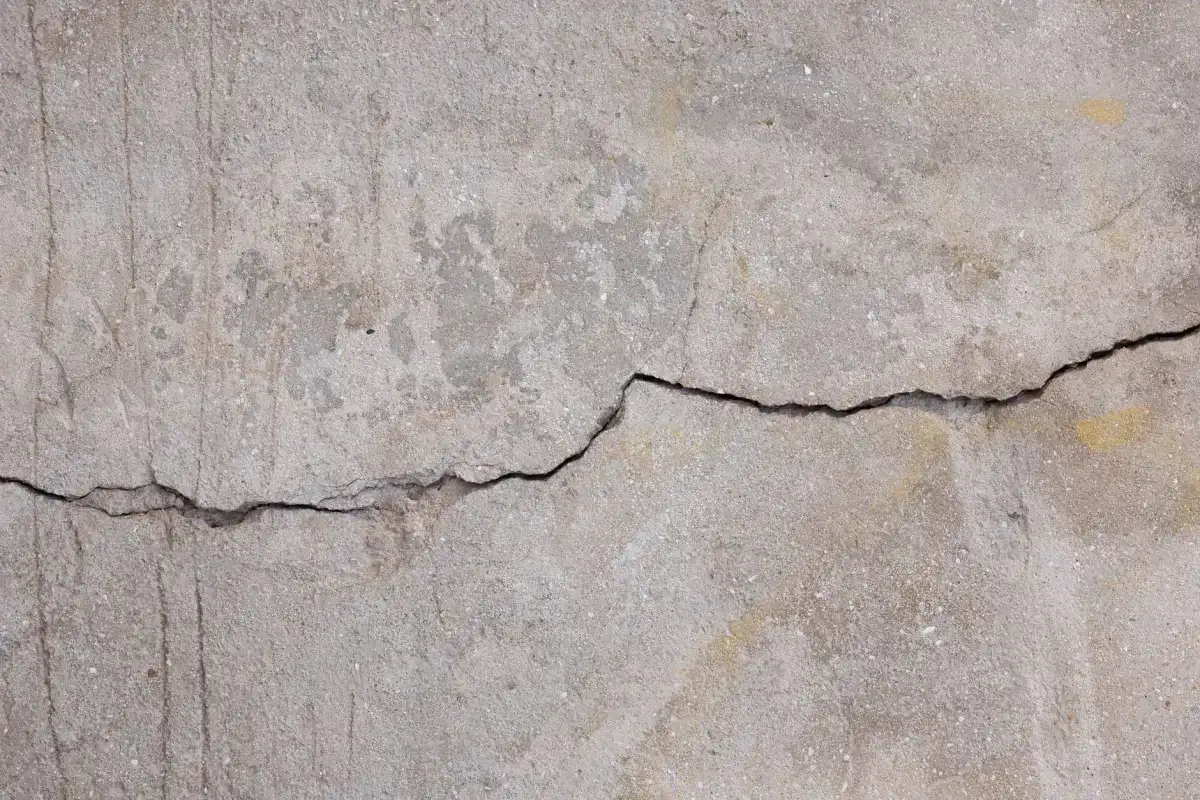
Most concrete repair questions are really diagnosis questions. A crack is not a problem in itself — concrete cracks, which is why control joints exist — so the useful question is what kind of crack it is. A tight crack that is level on both sides, not growing and not spalling, is a slab doing what slabs do. A crack with a height difference across it means the slab has lost support underneath, and no amount of filling addresses that. Surface flaking is a different failure again: that is scaling, usually caused by de-icing salt, and it lives in the top layer rather than through the slab.
Those three problems have three different answers, and the wrong one wastes money in both directions. Filling a settlement crack is money spent on a symptom. Replacing a driveway that has one tight crack is money spent on nothing at all. Around Madison the two dominant causes are the ones the climate hands out: freeze-thaw cycling working on water that gets into the concrete, and de-icing chemicals attacking a surface that was salted before it was ready. Most deicer manufacturers warn against use on concrete less than a year old, and a first-winter salting is behind a large share of the scaled driveways and steps in Dane County. Diagnosis first, then the smallest repair that actually fixes the cause.
What’s Included in a Madison Concrete Repair Quote
- On-site diagnosis of what kind of failure this is — surface, structural, or loss of support underneath
- A clear repair-or-replace recommendation with the reasoning stated, not just a price
- Crack routing and sealing with a material suited to whether the crack is moving or static
- Partial-depth patching of spalled and delaminated areas, with sound edges cut square rather than feathered
- Full-depth repair or panel replacement where the damage goes through the slab
- Saw-cutting to clean, straight boundaries so the repair meets the existing concrete on a proper edge
- Assessment of drainage and downspout discharge, since water is behind most of what gets called a concrete problem
- Joint cleaning and resealing where open joints are letting water and salt brine into the slab
- Surface preparation and repair mortar or overlay material appropriate to the exposure
- Honest identification of the cause, so a repair is not simply resetting the clock on a base problem
- Guidance on de-icing, sealing and maintenance to protect the repair through its first winter
Concrete Repair Services in Madison, WI
Cracked Concrete Repair
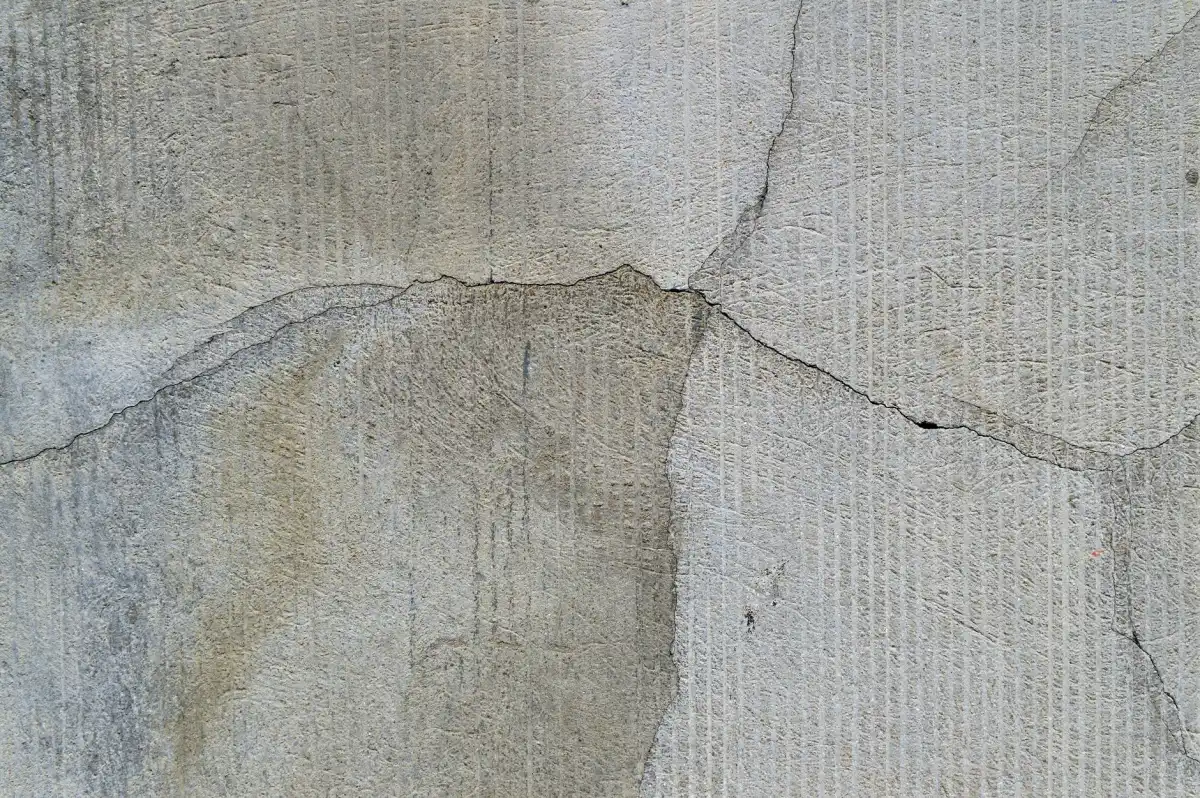
The first question is whether the crack is moving. A static crack — level on both sides, stable in width across seasons — can be routed out and sealed with a rigid material, and the repair holds. A moving crack, one that opens and closes with temperature or with frost cycling, needs a flexible sealant that can accommodate that movement, because a rigid filler in a moving crack simply cracks again beside the original. A crack with a height difference across it is a third case entirely: that is not a crack problem, it is a support problem, and filling it leaves the void underneath doing exactly what it was doing before. Width matters less than people assume. A hairline that is stable is fine. A quarter-inch crack with one side sitting low is a slab that has lost its base.
Concrete Driveway Repair
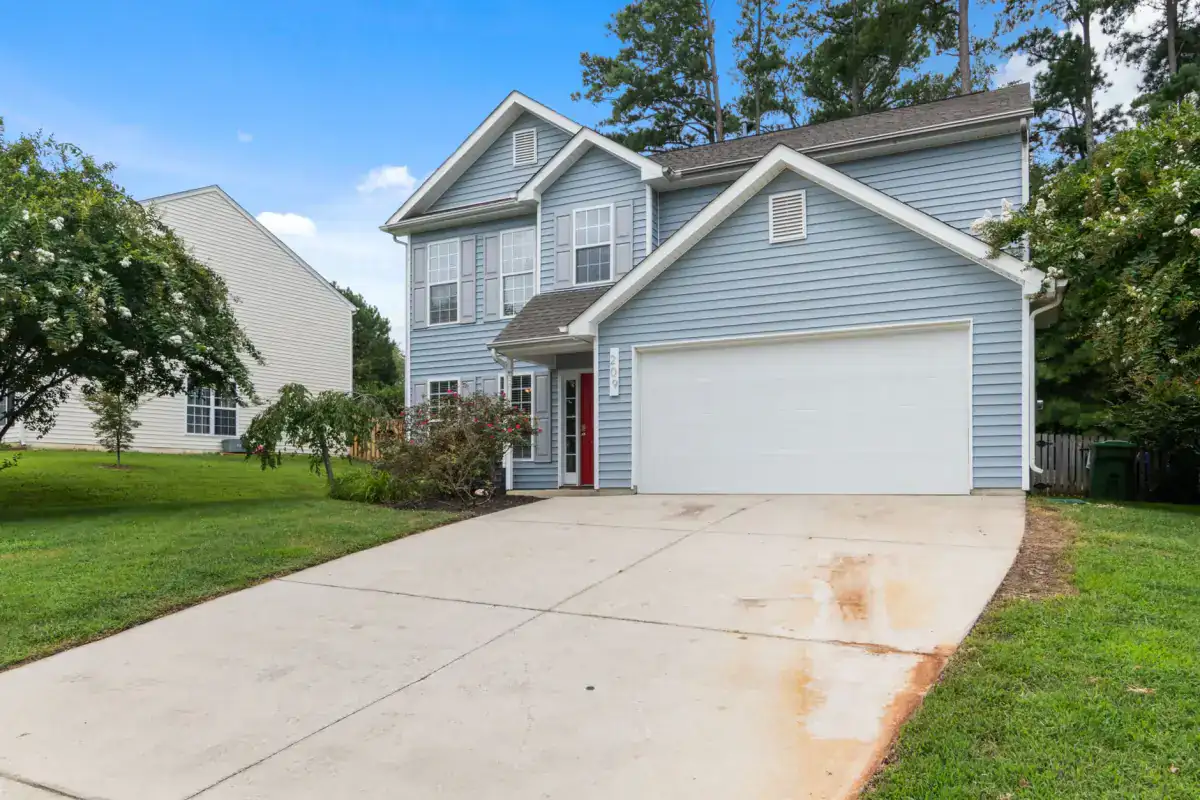
Driveways take the most abuse of any concrete on a residential property — vehicle loads, plow blades, road salt tracked off tires, and full exposure to freeze-thaw. The repairs that make sense are localized: replacing an individual cracked panel while leaving the sound ones, lifting a section that has settled over a soft spot, repairing the apron where plows and salt concentrate, and resealing joints that have opened. The repairs that do not make sense are the ones that treat a whole-slab problem panel by panel. If cracks run in several directions across most of the drive, or if the surface is scaled across large areas, repairs will keep coming and each one is a partial payment toward a replacement you will end up doing anyway. Ask which category yours is in.
Concrete Patio Repair
Patios fail differently from driveways because the loads are light and the exposure is what does the damage. The common problems are surface scaling from salt applied in winter, cracks that opened because the original joints were too far apart or cut too late, and settlement at one corner — very often the corner nearest a downspout that has been discharging onto or under the slab for years. That last one is worth chasing before any concrete work, because repairing the patio without moving the water gets you the same settlement again. On a decorative or stamped patio the repair conversation gets harder, since matching aged, sealed, colored concrete is close to impossible and a structurally sound repair can still be visually obvious.
Concrete Sidewalk & Walkway Repair
Walks are narrow, which means they move as whole squares rather than cracking across a large field, and a displaced square is a trip hazard rather than an inconvenience. Where the concrete itself is sound and a square has simply settled, lifting and levelling restores the surface quickly and at a fraction of replacement cost. Where a square has been heaved by a tree root, lifting resets it and the root lifts it again — on Madison's older streets with mature terrace trees, that needs discussing honestly before money is spent. The other complication is jurisdictional: terrace sidewalk sits in the public right-of-way, where the City of Madison requires contractors to be prequalified before a permit is issued, so repair scope there is not simply a matter of choosing a method.
Damaged & Deteriorating Concrete Repair
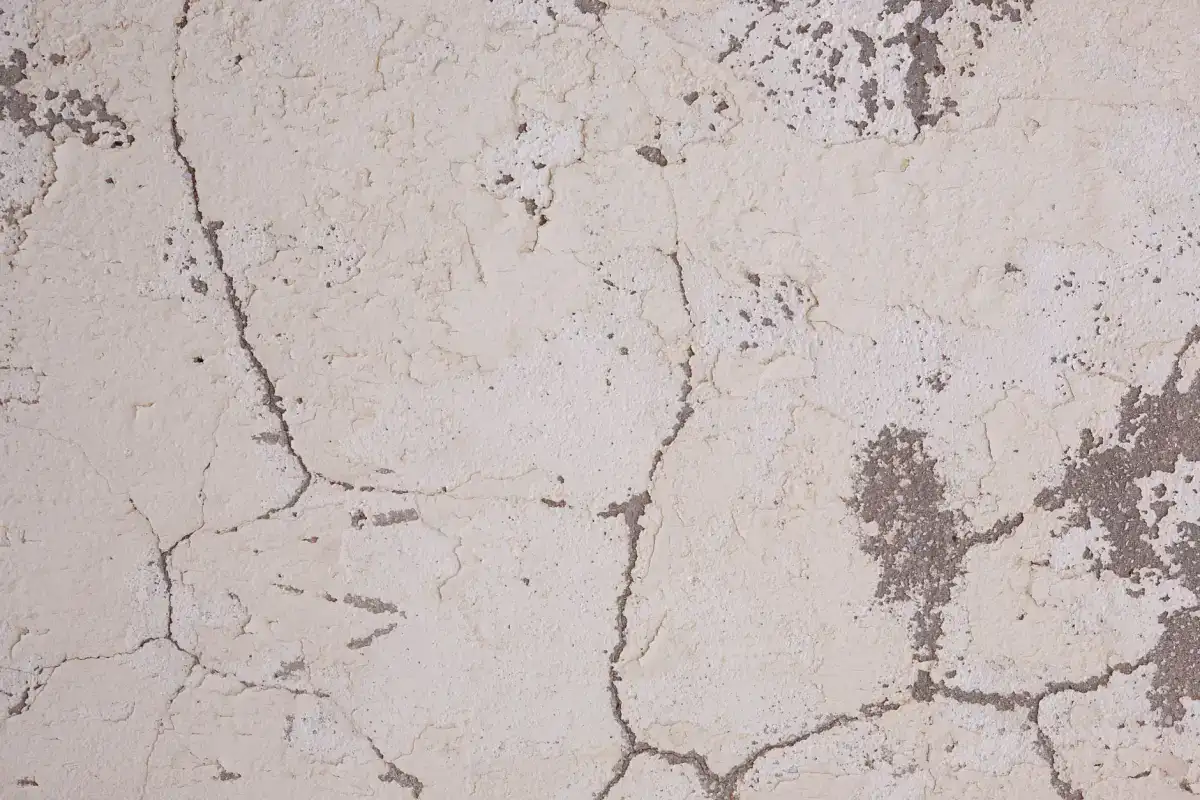
Concrete that is spalling, scaling, crumbling at the edges or losing surface over large areas. The distinction that matters is depth. Surface scaling is the loss of the top layer, usually from de-icing chemicals attacking concrete that was young, poorly air-entrained, or finished while bleed water was still on it — NRMCA's bulletin on scaling covers the mechanism clearly. That can sometimes be addressed with an overlay if the slab beneath is sound. Spalling that exposes aggregate over large areas, or that has reached reinforcement, is deeper and more serious, particularly where steel is corroding, because corroding steel expands and keeps pushing concrete off from the inside. At that point patching becomes an ongoing expense and replacement becomes the cheaper answer over any reasonable timeframe.
Concrete Repair vs. Replacement — How to Decide
Repair
Right when the damage is localized and the rest of the slab is sound — one cracked panel, a settled section, a spalled patch, open joints. Repair preserves the remaining life of everything you are not touching, costs a fraction of replacement, and is usually usable quickly. It cannot fix a base problem, because the base is under the slab.
Replace
Right when cracks run through the slab in several directions, when scaling covers most of the surface, when sections sit at different heights, or when the same area has been repaired repeatedly. Replacement is the only way to correct the base, the drainage and the jointing at once. Costs more up front and less over ten years.
Signs You Need Concrete Repair
- A height difference across a crack or between slabs, which means support has been lost underneath
- Surface flaking, peeling or shedding grit — scaling, most often from de-icing salt
- Cracks that have opened wide enough to hold water, weeds or salt brine through the winter
- Slabs rocking underfoot or under a vehicle, indicating a void below
- Spalling that has exposed aggregate or reached reinforcing steel
- Water pooling where it used to drain, meaning the slab has lost its original slope
How Concrete Repair Works
- 1
Diagnosis Before Any Quote
The visit establishes what kind of failure this is, because surface damage, structural cracking and loss of support are three different problems with three different answers. Cracks get looked at for width, for whether there is a height difference across them, and for whether they follow a control joint or wander across a panel — a crack that followed the joint means the jointing worked, while one that crossed the middle of a panel points at spacing, depth or timing of the original cuts. Surfaces get assessed for whether the loss is in the top layer or has gone deeper. Slabs get checked for rocking and for voids. And drainage gets walked, because downspouts, sump discharge and grade are behind a very large share of what gets reported as a concrete problem. The output is a recommendation with a reason attached.
- 2
Preparation and Removal of Unsound Material
Repairs fail at the boundary between old and new material far more often than in the middle, so preparation is most of the work. Unsound concrete gets removed back to solid material — patching over delaminated concrete just relocates the failure a few inches. Edges are saw-cut square rather than feathered to nothing, because a feathered edge is thin, weak and the first thing to break away. Where reinforcement is exposed and corroding, it has to be dealt with rather than covered, since corroding steel expands and continues pushing concrete off from behind. Cracks being sealed get routed out to a consistent width and depth so the sealant has a proper reservoir to work in. The surface is then cleaned thoroughly, because dust, laitance and old sealer all prevent a bond.
- 3
The Repair Itself
Method follows diagnosis. A static crack gets routed and filled with a rigid material; a moving crack gets a flexible sealant that can take the movement without tearing. A spalled area gets a partial-depth patch in a repair mortar matched to the exposure, placed against clean, square-cut edges. Damage through the slab gets full-depth repair or panel replacement, with the panel boundaries taken to existing joints so the new work meets the old on a proper line. A settled but sound slab gets lifted rather than broken out. Where surface loss is broad but the slab underneath is genuinely sound, an overlay may be appropriate — with the honest caveat that an overlay is only as good as what it bonds to, which is why the resurfacing conversation is a separate one.
- 4
Drainage, Joints and Protecting the Repair
The repair is not finished when the material cures. If water was the cause, the water gets addressed — a downspout extended, a discharge point moved, grade corrected at the slab edge — because otherwise the repair is a countdown. Control and expansion joints get cleaned and resealed where they have opened, since open joints are the main route by which water and salt brine get into and under a slab in this climate. Then the maintenance guidance: no de-icing salt on new repair material through its first winter, sand for traction instead, and a realistic resealing interval for the surface. The last part of a good repair is being told plainly how long it should be expected to last, which for a patch on a driveway apron is a different number than for a sealed joint.
What Does Concrete Repair Cost in Madison, WI?
- The type of failure, since sealing a crack, patching a spall and replacing a panel are entirely different scopes
- Total area affected, and whether the damage is localized or spread across most of the slab
- Depth of the damage — surface scaling, partial-depth spalling and full-depth cracking each cost differently
- Whether reinforcement is exposed or corroding, which adds preparation and can change the approach
- Access for equipment, particularly for lifting work or where a slab is inside a building or behind a house
- Whether the underlying cause has to be corrected too — drainage, downspouts, base voids or a tree root
- Location, since work in the public right-of-way carries prequalification and permit requirements
- Appearance expectations, because a colour-matched repair on decorative or stamped concrete takes more effort and still may not disappear
Repair pricing spans a wide range because the word covers everything from resealing a joint to replacing a panel. The more useful question when comparing quotes is not the price but the diagnosis behind it. Two contractors looking at the same driveway can propose crack sealing and full replacement, and one of them is wrong. Ask what caused the damage, what the proposed repair does about that cause, and how long it is expected to last. A repair quote that comes with an honest lifespan and a note about what will eventually need replacing is more valuable than a cheaper one that comes with neither.
What to Look for in a Madison Concrete Repair Contractor
A Diagnosis, Not Just a Price
Surface scaling, a structural crack and a settled slab look similar in a photo and need completely different work. Expect to be told which one you have and why, before anyone talks about cost.
Willingness to Say It Is Past Repairing
Some slabs should be replaced. A contractor who says so, and explains what they are seeing, is saving you the money you would otherwise spend on a sequence of repairs that add up to a replacement anyway.
The Cause Addressed, Not Just the Damage
Most concrete failures in this climate come back to water and salt. A repair that ignores the downspout discharging under the slab is a repair with an expiry date attached.
Square-Cut Edges, Not Feathered Patches
Repairs fail at the boundary. Unsound material removed back to solid concrete and edges cut square is what makes a patch last. A feathered edge is thin, weak and the first part to break away.
Residential & Commercial Concrete Repair
Residential
Driveways, patios, walks, steps and garage floors across Dane County. Older properties around Monroe Street and Atwood bring mature trees, original drainage and decades of salt exposure; newer subdivisions in Sun Prairie and Waunakee more often bring settlement over backfill that has not finished consolidating.
Commercial
Parking areas, entrances, loading zones and interior floors for commercial and multi-family properties, where the question is usually which sections to address this year and which can safely wait. That prioritisation should come with reasoning, and it is covered in more depth on the commercial repair page.
When Concrete Repair Isn’t the Right Call
- If your slab has a tight crack that is level on both sides and is not growing or spalling, nothing needs doing. Concrete cracks. A control joint is where the slab was told to crack, and where it does so quietly, the system worked.
- If cracks run in several directions across most of the slab, or scaling covers most of the surface, repair is a series of partial payments toward a replacement. Ask for the replacement number so you can compare properly.
- If a foundation wall is cracking, bowing or settling, that is structural work needing a structural engineer, not flatwork repair. Get the assessment before anyone quotes concrete.
- If the damaged section is terrace sidewalk the City of Madison has already scheduled for repair, do not pay privately for it. Confirm with City Engineering first.
- If your property is outside Dane, Rock, Columbia and Jefferson Counties, a contractor closer to you will price and schedule small repair work better than one travelling to reach it.
Frequently Asked Questions
- Should I repair or replace my cracked concrete?
- It depends on whether the damage is localized and whether the base is intact. Repair makes sense when one panel is cracked, a section has settled, or a patch has spalled, and the rest of the slab is sound — you keep the remaining life of everything you do not touch. Replacement makes sense when cracks run through the slab in several directions, when scaling covers most of the surface, when sections sit at different heights, or when the same area has been repaired repeatedly. The deciding question is whether the cause is in the slab or under it, because repair cannot fix a base.
- Why is my concrete flaking and peeling on the surface?
- That is scaling, and in Wisconsin the usual cause is de-icing salt. Most deicer manufacturers warn against use on concrete less than a year old, and a first-winter salting is behind a large share of the scaled driveways, walks and steps in Dane County. The other contributing causes are finishing the surface while bleed water was still on it, inadequate air entrainment for freeze-thaw exposure, and water added at the truck to make placing easier, which lowers strength directly. NRMCA's two-page CIP 2 bulletin explains the mechanism well.
- Can a sunken concrete slab be lifted back into place?
- Where the slab itself is sound — no through-cracks, no significant surface loss, just sitting low — yes, and it is generally faster and cheaper than replacement, with the surface usable quickly. Lifting restores elevation and fills the void underneath. What it does not do is repair a slab that is already broken up, and it does not remove a tree root that will lift the slab again. A contractor who assesses whether the concrete is a candidate before recommending a method is doing the diagnosis properly.
- Do crack fillers actually work on concrete?
- On the right crack, yes. A static crack that is level on both sides can be routed out and sealed, and that keeps water and salt brine out of the slab, which is genuinely worthwhile in a freeze-thaw climate. On a moving crack, a rigid filler will crack again beside the original unless a flexible sealant designed for movement is used. On a crack with a height difference across it, no filler helps at all, because the problem is loss of support under the slab rather than the crack itself.
- How long does concrete repair last?
- It varies enormously by type, and any contractor should be willing to give you a realistic figure for the specific repair rather than a general reassurance. A properly routed and sealed joint or crack has a maintenance interval and will need attention again. A partial-depth patch on a driveway apron, where plows, salt and freeze-thaw all concentrate, has one of the harder jobs in concrete repair. A full-depth panel replacement, done with proper base preparation, should last like new concrete. The honest version of this answer names the number.
- Can concrete repairs be matched to the existing colour?
- Close, sometimes; invisible, rarely. Existing concrete has weathered, been sealed, collected traffic and aged for years, and new repair material has done none of that. Even with the original colour formula, a repair on decorative or stamped work usually reads as a repair. The best results come from taking the repair boundary to an existing joint or a pattern line rather than stopping mid-panel. If appearance is the primary concern rather than function, that is worth saying up front, because it changes the recommendation.
Learn More
- NRMCA — CIP 2: Scaling Concrete Surfaces — The clearest short explanation of why concrete surfaces flake and peel, covering air entrainment, finishing practice and de-icing chemicals.
- FHWA — Air Entrainment and Concrete Durability — How entrained air protects concrete through freeze-thaw cycling, and what happens to concrete that does not have enough of it.
- American Concrete Institute — The standards body behind concrete repair guidance, exposure classes and the durability requirements that repairs are specified against.
Need Concrete Repair in Madison, WI?
Tell us what’s going on and get an on-site estimate — no charge for the visit, and no obligation to book the work.
Get My Free Estimate