Concrete Resurfacing in Madison, WI — Residential & Commercial Overlay Specialists
Overlays and surface restoration for concrete that is worn on top and sound underneath, across Dane, Rock, Columbia and Jefferson Counties. Including when it is not a candidate.
Concrete Resurfacing in Madison, WI
Madison Elite Concrete is your local resource for concrete resurfacing throughout Madison, Dane County and the surrounding area. We help homeowners connect with trusted decorative concrete finishers who will tell you when a slab is not a candidate for an overlay.
Resurfacing puts a new wearing surface on an existing slab. It works when the problem is genuinely on top — worn, stained, dull, lightly scaled, or simply dated — and the concrete underneath is sound, stable and not moving. Under those conditions it costs less than replacement, takes less time, produces no demolition, and can deliver a finish the original slab never had. Overlays run from thin cementitious coatings a few millimetres thick through to stamped and micro-topping systems with real decorative range.
The failure mode is straightforward and worth stating plainly: an overlay is only as good as what it bonds to. It does not add structure, it does not span a moving crack, and it does not fix anything happening below the slab. Put an overlay on concrete that is cracked through its depth, delaminating, or sitting on a base that has settled, and the overlay reproduces every one of those problems within a season or two — and you have then paid for a resurfacing and still need the replacement. That is why the most useful thing a contractor does on a resurfacing visit is decide whether the slab is a candidate at all. Roughly the rule of thumb across the industry: once repair costs approach half of replacement, replacement is the better answer.
What’s Included in a Madison Concrete Resurfacing Quote
- Assessment of whether the existing slab is a genuine candidate — stable, sound, bonded and not moving
- Sounding of the surface to find delaminated areas that look fine and are not attached underneath
- Evaluation of existing cracks for width, movement and whether they run through the slab's depth
- Removal of existing sealers, coatings, curing compounds and contaminants that would prevent a bond
- Mechanical surface profiling — grinding or shot blasting — to open the surface so the overlay can key into it
- Repair of spalled areas and treatment of existing cracks before any overlay material goes down
- Overlay system selected for the exposure, whether that is a driveway taking vehicles and salt or a sheltered patio
- Honouring the existing joint layout through the overlay, since the slab below will keep moving at its joints
- Colour, texture or stamped pattern as specified, applied to the manufacturer's thickness and rate
- Sealer appropriate to the system, with the resealing interval stated in writing
- Guidance on the first winter, since a new overlay is as vulnerable to de-icing salt as new concrete
Concrete Resurfacing in Madison, WI
Driveway Resurfacing
The most demanding resurfacing application in this climate and the one that most often turns out not to be a candidate. A driveway takes vehicle loads, plow blades, road salt tracked off tires and full freeze-thaw exposure, so an overlay there needs to be a system rated for vehicular traffic and de-icing chemicals, not a patio product applied to a bigger area. The candidacy assessment matters more here too. Driveways are where the base problems live, because they carry the loads, and an overlay over a slab that has settled or lost support will crack along exactly the same lines within a couple of winters. Where the slab is genuinely sound and the issue is surface wear, staining or light scaling, a driveway overlay is a legitimate option that costs meaningfully less than tear-out and replacement.
Patio Resurfacing
The best candidate of the group. Patios carry light loads, take less salt than a drive, and are often resurfaced for appearance rather than because anything has failed — a plain grey slab that is structurally fine but visually dated against a renovated house. That is a legitimate use of an overlay and one where the value is obvious. The available finishes are broad: micro-toppings for a smooth contemporary surface, textured systems for traction, and stamped overlays that give the look of stone on an existing slab. The two things to confirm before committing are that the slab is not moving and that it still drains properly. An overlay follows the existing slope, so a patio that ponds water will keep ponding, and adding thickness to correct drainage is a different and more expensive proposition.
Walkway & Sidewalk Resurfacing
Walks resurface well when the squares are level with each other and the concrete is sound. The complications are specific to walks. Traction has to be built into the specification, because a walk gets used in February and a smooth overlay with a glossy sealer is genuinely hazardous underfoot — texture and often a grit additive in the sealer belong in the scope from the start. Any height difference between squares will still be there after resurfacing, since an overlay follows the surface it is applied to, and a trip hazard remains a trip hazard under a new finish. And where the walk sits in the public right-of-way, resurfacing may not be an accepted approach at all, since city standards govern that work — worth confirming before planning it.
Decorative Concrete Overlays
The reason most people resurface rather than simply repair. Overlay systems carry integral or applied colour, can be stamped with the same pattern mats used on fresh concrete, can be scored and stained, or can be finished as a smooth micro-topping. On a sound slab this delivers a decorative surface for less than tearing out and pouring new decorative concrete. Two constraints are worth knowing in advance. The existing control joints have to be carried through the overlay, because the slab beneath will continue to move at those joints regardless of what is on top, and honouring them is what stops a random crack appearing across the new pattern. And thin decorative systems are less forgiving of wear than the same finish poured integrally, which puts more weight on the resealing interval.
Worn Concrete Surface Restoration
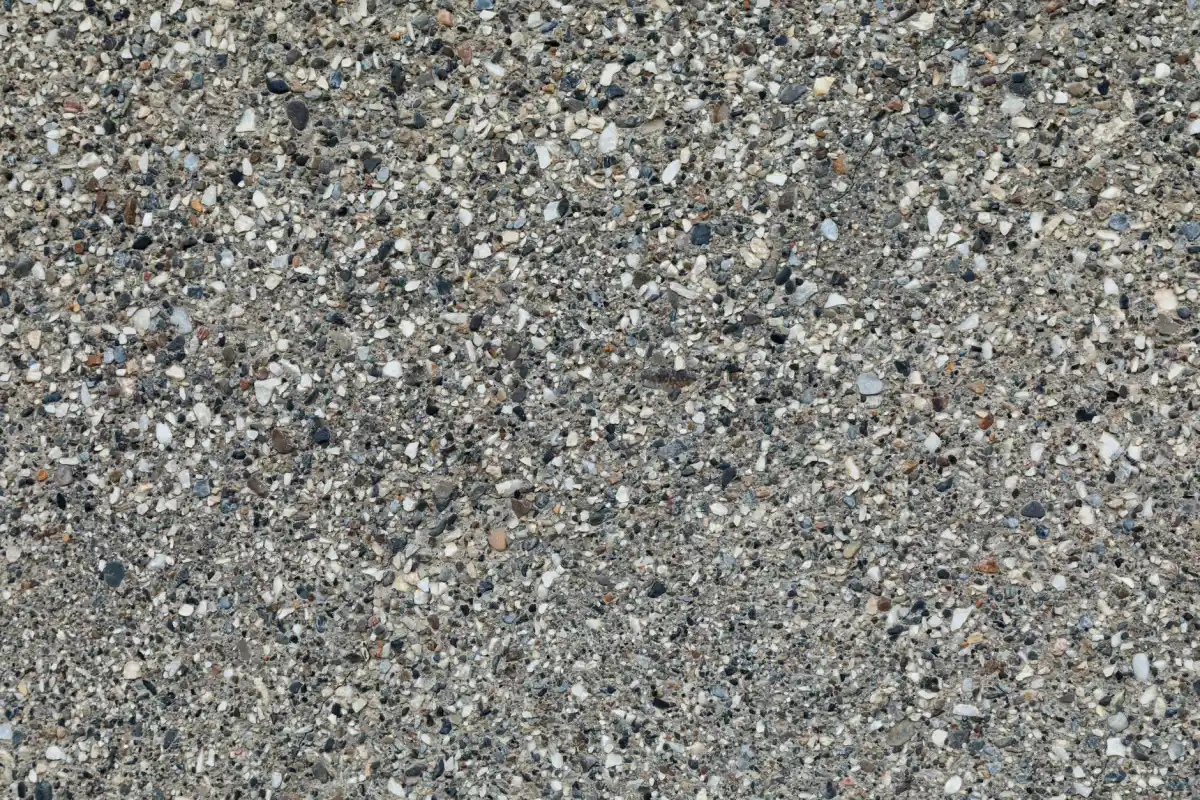
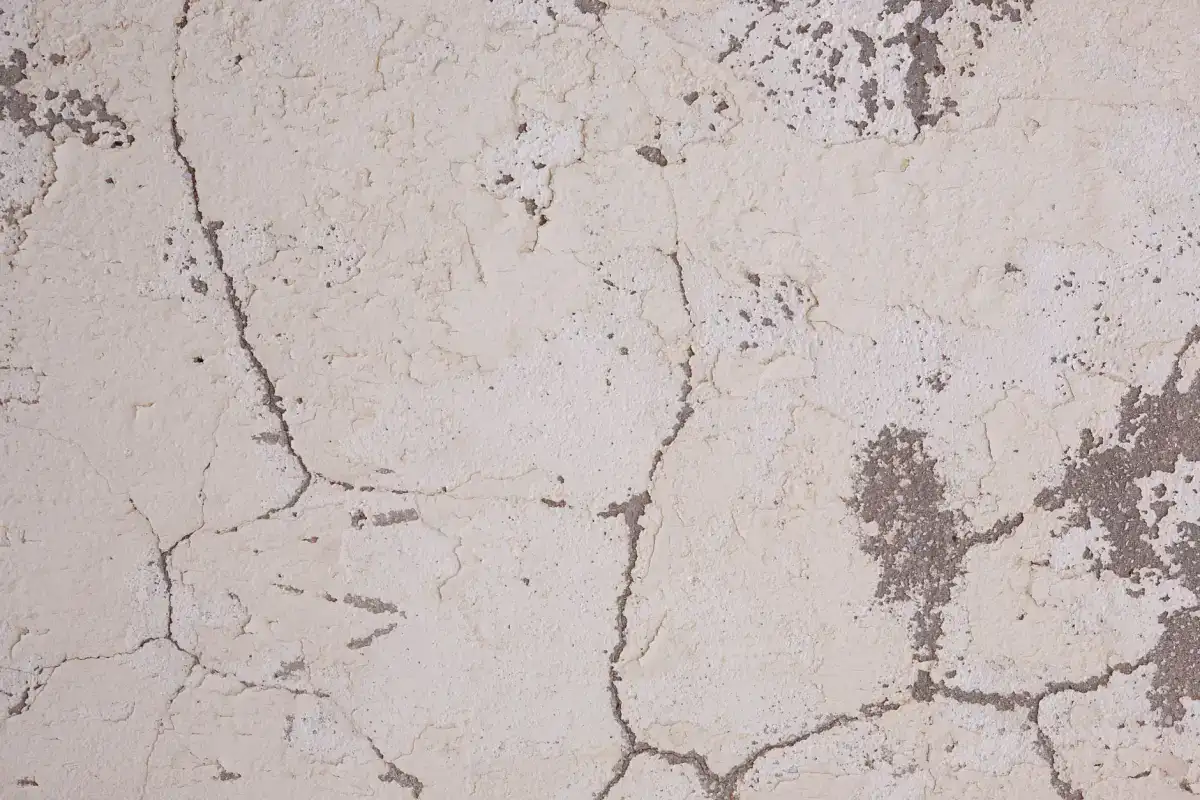
Slabs that are sound but tired: light scaling, general surface wear, exposed sand from years of weathering, dulled or blotchy colour, stains that will not clean off. This is resurfacing in its most straightforward form, restoring a wearing surface rather than changing the design. The assessment is the same as anywhere else — the slab has to be stable, and the existing surface has to be sound enough to bond to. That second point is where sounding the slab earns its cost. A surface can look intact and be delaminated underneath, and an overlay applied over a delaminated layer takes that layer with it when it eventually lets go. Where the deterioration has gone deeper than the surface, or has reached reinforcement, restoration is not the answer and replacement is.
Concrete Resurfacing vs. Replacement
Resurfacing
Right when the slab is structurally sound, stable and draining properly, and the problem is surface wear, staining, light scaling or appearance. Costs less than replacement, no demolition, faster, and can deliver a decorative finish the original never had. It adds no structure and cannot span a moving crack or fix anything happening under the slab.
Replacement
Right when cracks run through the slab, when sections have moved relative to each other, when large areas are delaminated, or when the base has failed. Replacement is the only route to correcting the base, the drainage and the joint layout together. A common industry rule of thumb: once repair approaches half the cost of replacement, replace.
Signs You Need Concrete Resurfacing
- The slab is sound and level but the surface looks worn, dull, stained or dated
- Light surface scaling that has not gone deep and has not reached reinforcement
- A plain grey slab you want in a decorative finish without the cost and disruption of replacement
- Existing colour that has faded, gone blotchy, or worn through in traffic areas
- Stains that will not clean off — oil, rust, efflorescence or years of general weathering
- A structurally fine patio or walk that no longer suits a house that has been renovated around it
How Concrete Resurfacing Works
- 1
Candidacy Assessment
This step decides whether the job should happen at all, and a contractor who does it properly will sometimes talk themselves out of the work. The slab gets checked for movement first — sections at different heights, cracks with a height difference across them, or rocking underfoot all mean the base has failed, and no overlay solves that. Existing cracks are assessed for whether they run through the slab's depth and whether they move seasonally, because a moving crack will telegraph through any topping. The surface is sounded to find delaminated areas, which frequently look perfectly sound from above and are not attached underneath. Drainage is checked, since an overlay follows the existing slope and a slab that ponds will keep ponding. If the honest conclusion is replacement, that should be said before anyone is quoted for an overlay.
- 2
Cleaning, Profiling and Preparation
Bond is everything in resurfacing, and bond is made or lost at this stage. Existing sealers, curing compounds, coatings, oil and general contamination all have to come off, because an overlay applied over a sealer bonds to the sealer rather than to the concrete. The surface is then mechanically profiled — ground or shot blasted — to open the pores and give the overlay something to key into. This is not the same as pressure washing, and the difference shows up as delamination a year later. Delaminated and spalled areas found during sounding get cut out and repaired back to solid concrete first. Existing cracks are treated according to what they are, and the existing joint layout gets recorded, since those joints have to be carried through the new surface rather than covered over.
- 3
Overlay Application
The system gets selected for the exposure rather than for the look alone. A driveway overlay has to be rated for vehicular traffic and de-icing chemicals; a sheltered patio has more latitude. Material is mixed and applied to the manufacturer's specified thickness and coverage rate, which is not a place for interpretation — an overlay applied thinner than specified to stretch material is an overlay that will fail early. Depending on the system, that may mean a bond coat followed by the topping, a broadcast texture, a stamped pattern worked in while the material is plastic, or successive lifts building up a micro-topping. Colour goes in integrally or is applied as part of the system. Working time on most overlay materials is short and weather-dependent, which makes crew size and preparation as consequential here as they are on stamped concrete.
- 4
Jointing, Curing and Sealing
The existing control joints are carried through the finished overlay. This is the detail that separates a resurfacing that lasts from one that cracks in its first year: the slab below will continue to move at its joints whatever is on top of it, and a topping placed continuously across a joint gets torn. Where the overlay is stamped or patterned, the joints get worked into the layout so they read as part of the design rather than as a defect. The material is cured per the manufacturer's requirements, then sealed with a product suited to the system and the exposure, at the specified rate — over-application is a common cause of a slick surface and of clouding later. The resealing interval is handed over in writing, along with the first-winter instruction, because a new overlay is as vulnerable to de-icing salt as new concrete is.
What Does Concrete Resurfacing Cost in Madison, WI?
- Square footage, and how much of the area needs repair before any overlay material goes down
- Condition of the existing slab, since preparation and repair often exceed the cost of the overlay itself
- Surface preparation method required — grinding or shot blasting a large area is a significant line item
- Removal of existing sealers or coatings, which can be slow depending on what is on there
- The overlay system specified, since a vehicular-rated driveway system costs more than a patio micro-topping
- Decorative complexity — plain texture, colour, scoring, or a stamped pattern with borders
- Number of existing joints and cracks that need to be honoured or treated through the new surface
- Sealer specification and whether the quote includes the first reseal or only the initial application
Resurfacing typically costs less than replacement, and the gap narrows fast once the existing slab needs significant repair first — which is the honest reason a resurfacing quote sometimes lands close to a replacement quote. When it does, replacement is usually the better value, because you get a new base, corrected drainage and a proper joint layout rather than a new surface on old problems. Ask any resurfacing quote what preparation is included, what happens if delamination is found during profiling, and what the system is rated for. An overlay priced without a candidacy assessment is a risk being transferred to you.
What to Look for in a Madison Concrete Resurfacing Contractor
A Real Candidacy Assessment
The slab gets sounded and checked for movement before anyone quotes a finish. A contractor willing to tell you the slab is not a candidate is more valuable than one who will overlay anything you point at.
Mechanical Profiling, Not Just Washing
An overlay bonds to an opened surface. Grinding or shot blasting is what creates that; pressure washing does not. Ask specifically how the surface is being prepared, because this is where the bond is won or lost.
Existing Joints Carried Through
The slab underneath keeps moving at its joints regardless of what is on top. Honouring them through the overlay is what stops a crack appearing across the new surface in the first year.
A System Rated for the Exposure
A driveway takes vehicle loads and road salt. A sheltered patio does not. An overlay specified for the wrong exposure will look right for one season. Ask what the system is rated for before agreeing to it.
Residential & Commercial Concrete Resurfacing
Residential
Patios, walks and driveways where the concrete is sound and the surface is tired. Most successful residential resurfacing in Dane County is patio work — light loads, less salt exposure and a straightforward appearance goal. Driveways are assessed more carefully, since that is where base problems tend to live.
Commercial
Entrances, walkways, courtyards and interior floors where closing the area for demolition and a full replacement is not practical. The trade-off is usually schedule against lifespan, and it is worth being explicit about both, since an overlay on a high-traffic commercial surface has a shorter maintenance cycle than new concrete.
When Concrete Resurfacing Isn’t the Right Call
- If the slab is cracked through its depth, has sections at different heights, or rocks underfoot, an overlay will reproduce every one of those problems. Replacement is the honest answer and it is cheaper than doing both.
- If the surface is delaminated over a large area, an overlay bonds to a layer that is already letting go. It will come off together, and the second attempt costs more than the replacement would have.
- If the slab ponds water, resurfacing will not fix it. An overlay follows the existing slope. Correcting drainage means changing the slab, not the surface.
- If nobody is going to reseal it on schedule, a decorative overlay will not hold its appearance. Plain concrete or replacement with an integrally coloured slab is the lower-maintenance answer.
- If your property is outside Dane, Rock, Columbia and Jefferson Counties, a contractor closer to you will price and schedule this better than one travelling to reach it.
Frequently Asked Questions
- How long does concrete resurfacing last?
- It depends almost entirely on the slab underneath and on the preparation. On a genuinely sound, stable slab that was properly profiled and had its joints honoured, a quality overlay system lasts years and is maintained by resealing on an interval. On a slab that was moving, delaminated or badly prepared, an overlay can fail within a season or two. That variance is why the candidacy assessment matters more than the product choice, and why a contractor who inspects thoroughly before quoting is giving you better information than one who quotes from a photo.
- Can any concrete be resurfaced?
- No, and this is the most important thing to establish before spending money. An overlay adds no structure and cannot span a moving crack or bridge a failed base. Concrete that is cracked through its depth, has settled unevenly, rocks underfoot, or is delaminated across large areas is not a candidate — those problems come straight back through the new surface. Concrete that is structurally sound, stable and draining properly, with the damage confined to the top layer, is a good candidate.
- What is the difference between resurfacing and an overlay?
- In practice the terms are used more or less interchangeably, and different contractors draw the line in different places. What actually matters is the specific system being proposed and what it is rated for — thickness, whether it takes vehicular traffic, whether it tolerates de-icing chemicals, and whether it carries a decorative finish. Rather than debating the label, ask which product is being used, at what thickness, and what exposure it is rated for. That answer tells you what you are buying.
- Will cracks come back through a resurfaced slab?
- If the crack is still moving, yes. This is the most common resurfacing failure and it is predictable. A static crack that has been properly treated can often be resurfaced over successfully. A crack that opens and closes seasonally, or one with a height difference across it, will telegraph through the overlay. The existing control joints have to be carried through the new surface too, since the slab below keeps moving at those joints regardless of what is applied on top of it.
- Is resurfacing cheaper than replacing concrete?
- Usually, and the gap depends heavily on how much repair the existing slab needs first. Where the slab is sound and preparation is straightforward, resurfacing is meaningfully cheaper and far less disruptive. Where the slab needs significant repair before the overlay goes on, the two numbers converge — and once repair costs approach roughly half of replacement, replacement is generally the better value, because it addresses the base, the drainage and the jointing rather than only the surface.
- Can a resurfaced driveway be salted in winter?
- Treat it the way you would treat new concrete: not in the first winter, and sparingly after that. A new overlay is at least as vulnerable to de-icing chemicals as fresh concrete, and on a thin decorative system the wearing surface is exactly what the salt attacks. Sand gives traction without the chemical attack. If the driveway genuinely has to be salted heavily every winter, that is a reason to question whether a decorative overlay is the right choice there at all.
Learn More
- American Concrete Institute — The standards body behind concrete repair and overlay guidance, including surface preparation and bond requirements for toppings.
- NRMCA — CIP 2: Scaling Concrete Surfaces — Why concrete surfaces deteriorate in the first place — useful for judging whether a slab is a resurfacing candidate or a replacement.
- FHWA — Air Entrainment and Concrete Durability — The freeze-thaw mechanism that decides how long any exterior surface lasts in this climate, overlay or original slab.
Need Concrete Resurfacing in Madison, WI?
Tell us what’s going on and get an on-site estimate — no charge for the visit, and no obligation to book the work.
Get My Free Estimate